
Understanding Diverticulosis vs. Diverticulitis: Symptoms and Treatment
- posted: Oct. 07, 2025
Digestive discomfort can often be confusing, especially when similar-sounding conditions share a close connection. Such is the case with diverticulosis and diverticulitis, two digestive health concerns that affect the large intestine. While related, these conditions differ in both symptoms and seriousness. At the office of Dr. Homeira Mehrabian in Newport Beach, CA, patients receive clear guidance and compassionate care to navigate these common yet often misunderstood conditions.
Defining Diverticulosis
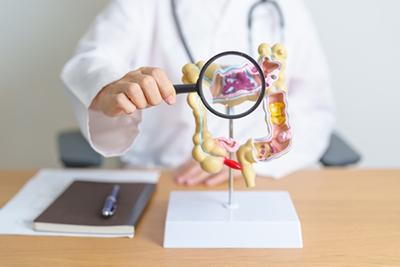
Diverticulosis occurs when small pouches, called diverticula, develop along the walls of the colon. These outpouchings are common, especially as people age, and often cause no symptoms at all. Many individuals discover they have diverticulosis during routine screenings such as a colonoscopy. While it may not initially cause pain or problems, diverticulosis can increase the risk of complications if not properly monitored.
Distinguishing Diverticulitis
Diverticulitis develops when one or more of those small pouches become inflamed or infected. This condition tends to present with noticeable symptoms, such as abdominal pain (often sharp and felt in the lower left side) along with fever, nausea, constipation, or diarrhea. Unlike diverticulosis, which is typically silent, diverticulitis demands immediate medical attention to prevent worsening infection or serious complications such as abscesses or perforations.
Recognizing Warning Signs
The key difference between the two conditions lies in symptoms. Diverticulosis is generally symptom-free, while diverticulitis causes pain and digestive distress that cannot be ignored. Persistent abdominal discomfort, blood in the stool, or sudden changes in bowel habits should be taken seriously. Early recognition of these warning signs allows for timely treatment and a smoother recovery.
Treatment Tailored to the Condition
Managing diverticulosis often focuses on prevention, encouraging a high-fiber diet, adequate hydration, and regular physical activity to reduce pressure in the colon. Diverticulitis, however, requires a more active approach. Mild cases may improve with antibiotics, rest, and dietary adjustments, while severe cases may necessitate hospitalization or even surgical intervention. The treatment path depends on the severity of the condition and the patient’s overall health.
Prioritizing Prevention and Proactive Care
Understanding the difference between diverticulosis and diverticulitis empowers patients to protect their digestive health. Regular screenings, healthy lifestyle choices, and swift medical attention for concerning symptoms all play a role in reducing risks. With expert evaluation, patients can move forward with confidence, knowing they are addressing concerns before they escalate.
Schedule an Appointment Today
If you are experiencing digestive discomfort or have questions about your colon health, don’t wait to seek answers. Call Dr. Homeira Mehrabian in Newport Beach, CA, at (949) 791-7155 to schedule an appointment today. With a commitment to clarity, comfort, and comprehensive care, Dr. Mehrabian helps patients understand their conditions and move toward better health.
- posted: Oct. 07, 2025
Digestive discomfort can often be confusing, especially when similar-sounding conditions share a close connection. Such is the case with diverticulosis and diverticulitis, two digestive health concerns that affect the large intestine. While related, these conditions differ in both symptoms and seriousness. At the office of Dr. Homeira Mehrabian in Newport Beach, CA, patients receive clear guidance and compassionate care to navigate these common yet often misunderstood conditions.
Defining Diverticulosis
Diverticulosis occurs when small pouches, called diverticula, develop along the walls of the colon. These outpouchings are common, especially as people age, and often cause no symptoms at all. Many individuals discover they have diverticulosis during routine screenings such as a colonoscopy. While it may not initially cause pain or problems, diverticulosis can increase the risk of complications if not properly monitored.
Distinguishing Diverticulitis
Diverticulitis develops when one or more of those small pouches become inflamed or infected. This condition tends to present with noticeable symptoms, such as abdominal pain (often sharp and felt in the lower left side) along with fever, nausea, constipation, or diarrhea. Unlike diverticulosis, which is typically silent, diverticulitis demands immediate medical attention to prevent worsening infection or serious complications such as abscesses or perforations.
Recognizing Warning Signs
The key difference between the two conditions lies in symptoms. Diverticulosis is generally symptom-free, while diverticulitis causes pain and digestive distress that cannot be ignored. Persistent abdominal discomfort, blood in the stool, or sudden changes in bowel habits should be taken seriously. Early recognition of these warning signs allows for timely treatment and a smoother recovery.
Treatment Tailored to the Condition
Managing diverticulosis often focuses on prevention, encouraging a high-fiber diet, adequate hydration, and regular physical activity to reduce pressure in the colon. Diverticulitis, however, requires a more active approach. Mild cases may improve with antibiotics, rest, and dietary adjustments, while severe cases may necessitate hospitalization or even surgical intervention. The treatment path depends on the severity of the condition and the patient’s overall health.
Prioritizing Prevention and Proactive Care
Understanding the difference between diverticulosis and diverticulitis empowers patients to protect their digestive health. Regular screenings, healthy lifestyle choices, and swift medical attention for concerning symptoms all play a role in reducing risks. With expert evaluation, patients can move forward with confidence, knowing they are addressing concerns before they escalate.
Schedule an Appointment Today
If you are experiencing digestive discomfort or have questions about your colon health, don’t wait to seek answers. Call Dr. Homeira Mehrabian in Newport Beach, CA, at (949) 791-7155 to schedule an appointment today. With a commitment to clarity, comfort, and comprehensive care, Dr. Mehrabian helps patients understand their conditions and move toward better health.
Homeira Mehrabian, MD Inc.
500 Superior Ave., Ste. 320,
Newport Beach, CA 92663
Hours of Operation
Monday
9:00 am - 5:00 pm
Tuesday
9:00 am - 5:00 pm
Wednesday
9:00 am - 5:00 pm
Thursday
9:00 am - 5:00 pm
Friday
9:00 am - 12:00 pm
Saturday
Closed
Sunday
Closed